
The Difference Between Early and Late Harvest Olives
July 15, 2026
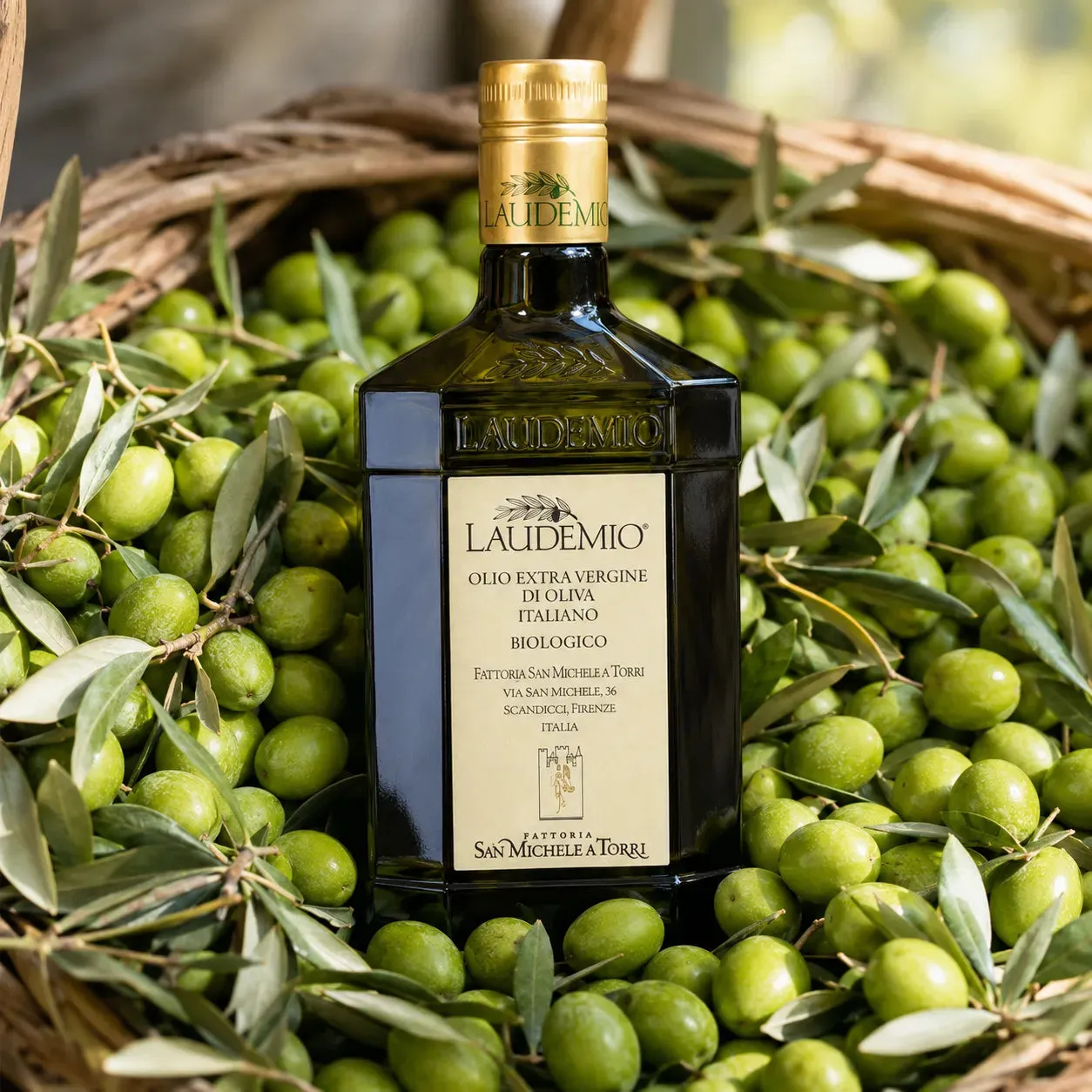
The moment an olive is picked can change almost everything.
When olives are harvested early, while the fruit is still relatively young, each kilogram produces less oil. In return, the result is a more intense and characterful olive oil, with fresher aromas, pronounced bitterness, pepperiness and naturally high levels of polyphenols.
When olives are left to ripen for longer, the fruit continues to develop and its oil content increases. This allows the producer to extract more oil from the same amount of olives. At the same time, the flavour generally becomes milder and rounder.
For the producer, it comes down to one important choice:
More oil, or more character.
When Timing Means Everything
As olives ripen, both the fruit and the oil it can produce begin to change. Oil content increases, while the sensory profile and concentration of naturally occurring plant compounds also evolve.
Many quality focused producers therefore harvest around invaiatura, the stage when the olives begin to change colour from green towards violet.
At Fattoria San Michele a Torri, harvesting usually takes place from late October to early November. The timing is chosen with quality, freshness and flavour intensity in mind, rather than maximum production volume.
This means more fruit is needed to produce the same amount of oil.
Early harvesting, in other words, means sacrificing volume for quality.
You Can Taste the Difference
Extra virgin olive oil from an earlier harvest often has a fresher and more distinctive flavour profile.
Think freshly cut grass, artichoke, fresh herbs and green almonds. Then comes the pleasant bitterness and the characteristic peppery sensation at the back of the throat.
These are precisely the qualities that give an exceptional EVOO its structure, intensity and personality.
Oil made from more mature olives will often be milder, rounder and less intense.
And the colour?
It tells you far less than many people think. An exceptional extra virgin olive oil can range from golden yellow to green. Colour in itself is not a measure of quality.
Why Early Harvesting Costs More
This is an important part of the reason why truly exceptional extra virgin olive oil costs more.
Earlier in the ripening process, olives contain less extractable oil. This means the producer needs more fruit for every litre of olive oil produced.
At Fattoria San Michele a Torri, the olives are harvested at a carefully selected stage of ripeness and quickly brought to the estate’s own mill. Within 12 hours they are processed, and the oil is immediately filtered to preserve its freshness, aroma and character.
Laudemio represents the very finest selection from this production.
You are not simply paying for the oil in the bottle. You are also paying for the quality the producer chose over greater volume.
The Numbers Tell Their Own Story
Laudemio Harvest 2025 has a remarkably low free acidity of around 0.15%, well below the maximum limit of 0.8% for extra virgin olive oil.
Polyphenol levels typically range from around 500 to 700 mg/kg, a naturally high level that contributes to the oil’s characteristic bitterness, pepperiness and intense flavour profile.
As olive oil is a natural product, analytical values may vary between harvests and production batches due to factors such as climate, growing conditions and the timing of the harvest.
But the numbers only tell half the story.
The rest is in the tasting.
Taste the Difference
Understanding early harvesting is one thing. Tasting the result is another.
Pour a little Laudemio into a small glass. Gently warm it between your hands. Smell it first. Then take a small sip and allow the oil to move around your mouth.
Notice the aromas, the bitterness and the distinctive peppery finish.
This is the taste of olives harvested for quality, not maximum volume.